Spanish Courses for Adults, Spanish Immersion
Why Adults Are Choosing Spain to Finally Learn Spanish (And Why Cádiz Might Be Your Best Bet)
Learn Spanish in Spain as an adult without the tourist traps. Here's why Cádiz offers better immersion, lower costs, and faster results than big cities.
4 dic 2025
You know that feeling when you're traveling through Spain, trying to order something beyond "una cerveza, por favor," and you realize your high school Spanish has completely abandoned you? Yeah, we've all been there. But here's the thing—more and more adults are deciding they're done with that awkward pointing-at-menus phase and are taking the plunge to actually learn Spanish properly. And not through some app they'll abandon after three days, but by coming to Spain and doing it for real.
The Adults-Learning-Spanish Thing Is Having a Moment
Look, I'm not going to feed you statistics about how Spanish is the second most spoken language in the world (okay, I just did, but that's it, I promise). What I will tell you is that we're seeing a genuine shift in who's showing up to learn. It's not just gap year students anymore. We're getting accountants from Manchester who finally have a two-week break, retirees from Toronto who've been threatening to do this for years, and professionals from San Francisco who realized they can work remotely from literally anywhere with decent WiFi.
The pandemic changed things. People started questioning why they'd been postponing that "someday" list for so long. Learning Spanish in Spain went from being this far-fetched dream to something that's actually... doable? Especially when you factor in remote work, sabbaticals, or just deciding that your PTO should be used for something more meaningful than another beach resort where everyone speaks English anyway.
Why Spain, Though?
There's something different about learning Spanish where it's actually spoken. Sure, you can take classes back home (and many people do), but there's no comparison to being surrounded by Spanish 24/7. Your brain doesn't get to switch back to English mode because the waiter, the person at the grocery store, and that random guy trying to sell you lottery tickets are all speaking Spanish.
Spain gives you the full package. You're not just memorizing verb conjugations in a fluorescent-lit classroom. You're using the preterite tense because you're trying to explain to your host family what happened at the beach yesterday. You're learning food vocabulary because you need to know if "morcilla" is something you actually want to order. The language stops being theoretical and becomes this urgent, practical thing you need right now.
And honestly? Spanish people are incredibly patient with learners. They genuinely appreciate when you try, even if you're butchering their language. Unlike some places (cough Paris cough), where people might switch to English the second they detect an accent, Spaniards will usually stick with you, speak slower, and help you through it. That psychological safety makes a huge difference when you're an adult trying to push past the fear of sounding ridiculous.
The Cádiz Advantage (Yes, We're Biased, But Hear Us Out)
Okay, so you've decided on Spain. Great. But Spain is big, and each city offers something unique for language learners. Barcelona has that cosmopolitan energy. Madrid pulses with cultural life. Granada enchants with its history.
Then there's Cádiz.
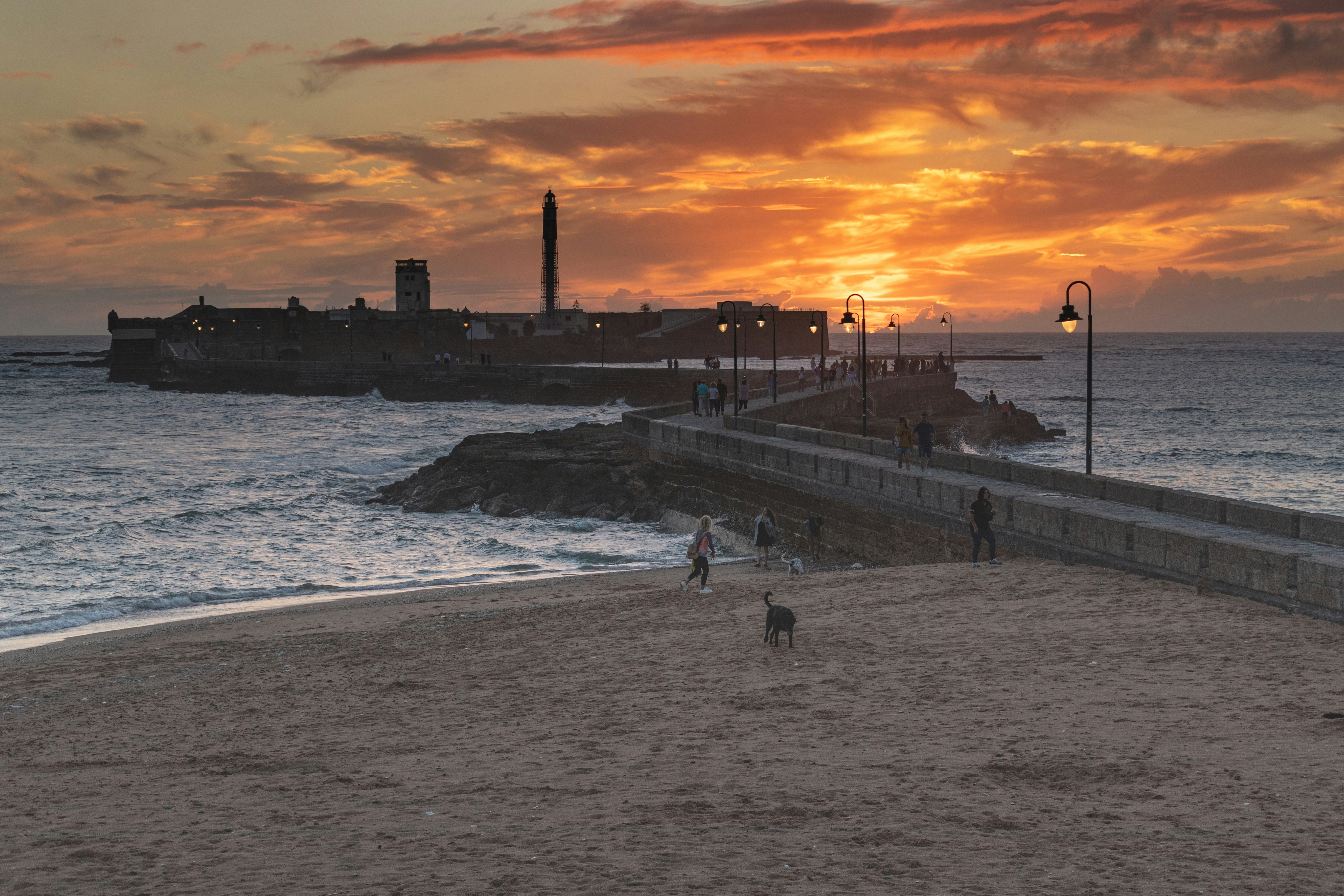
We're going to be honest with you—Cádiz doesn't have the instant name recognition of some bigger Spanish cities. Most people haven't even heard of it unless they've spent serious time in Andalusia. And that's actually part of its charm for learning Spanish.
First, tourists haven't overrun this place. Don't get me wrong—we love visitors, and Cádiz gets plenty during Carnaval and summer. But it maintains an authentic, local vibe year-round. You'll be one of the few foreigners in most spaces, which means you have to speak Spanish. Your local cafe won't have an English menu. The person next to you at the tapas bar probably doesn't speak English. This sounds intimidating, but it's actually exactly what you want.
Second, the size is manageable. You can walk across the old city in 20 minutes. After a week, you'll know your way around. After two weeks, the guy at your favorite churro spot will recognize you. This intimacy makes it less overwhelming to practice your Spanish. You're not drowning in an enormous city where everything feels anonymous.
And third—and this might be the most important one—Cádiz is affordable. Compared to Spain's larger cities, your money goes further here, which means you can stay longer, take more intensive classes, or just enjoy yourself without constantly checking your bank account.
What Actually Happens When Adults Learn Spanish Here
Let me paint you a realistic picture because those glossy language school brochures can be misleading. You're not going to arrive on Monday and be fluent by Friday. Language learning is slow, often frustrating work. You'll have days where you feel like you're making progress and days where you can't remember the word for "spoon" to save your life.
But here's what you will experience: In week one, you'll mostly be terrified and exhausted. Your brain will hurt from concentrating so hard. You'll come back from a simple trip to the market feeling like you've run a marathon.
By week two, something shifts. You'll find yourself understanding snippets of conversations happening around you. You'll successfully order something off-menu because you managed to explain what you wanted. Someone will crack a joke and you'll get it (maybe a second late, but you'll get it).
Week three and beyond? You'll start thinking in Spanish occasionally. Your accent will improve without you even noticing. You'll have actual conversations with locals—not tourist small talk, but real exchanges. The grammar you memorized will start making intuitive sense.
The adults we teach here consistently say the same thing: they wish they'd done this years ago. Whether you're 25 or 65, whether you're here for two weeks or three months, there's something genuinely transformative about immersing yourself in Spanish in a place where it matters.
The Work-Life-Spanish Balance
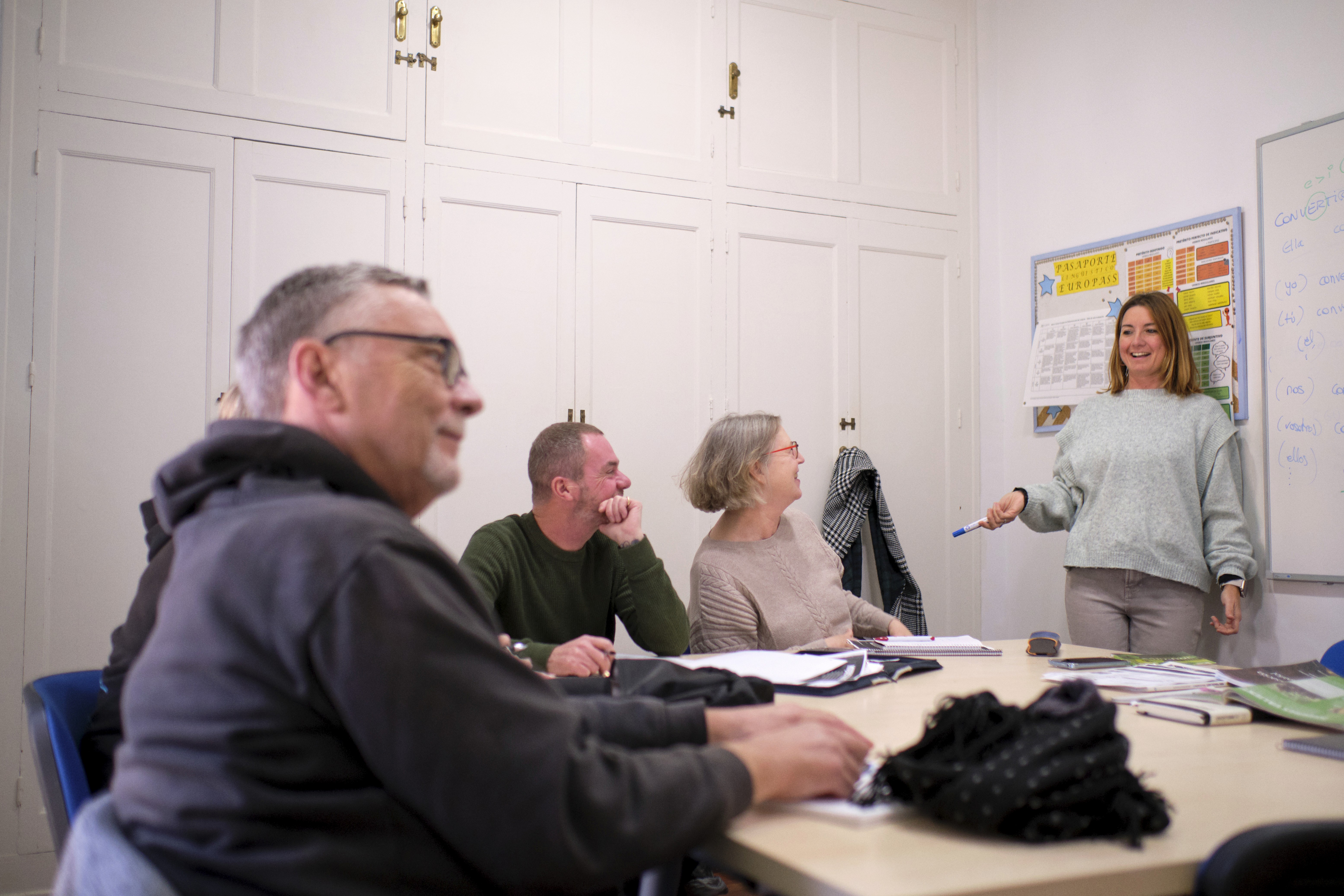
Here's something most language schools won't tell you: you learn better when you're not miserable. This isn't university where you need to study eight hours a day. Intensive courses are usually four hours of class in the morning, which leaves your afternoons free.
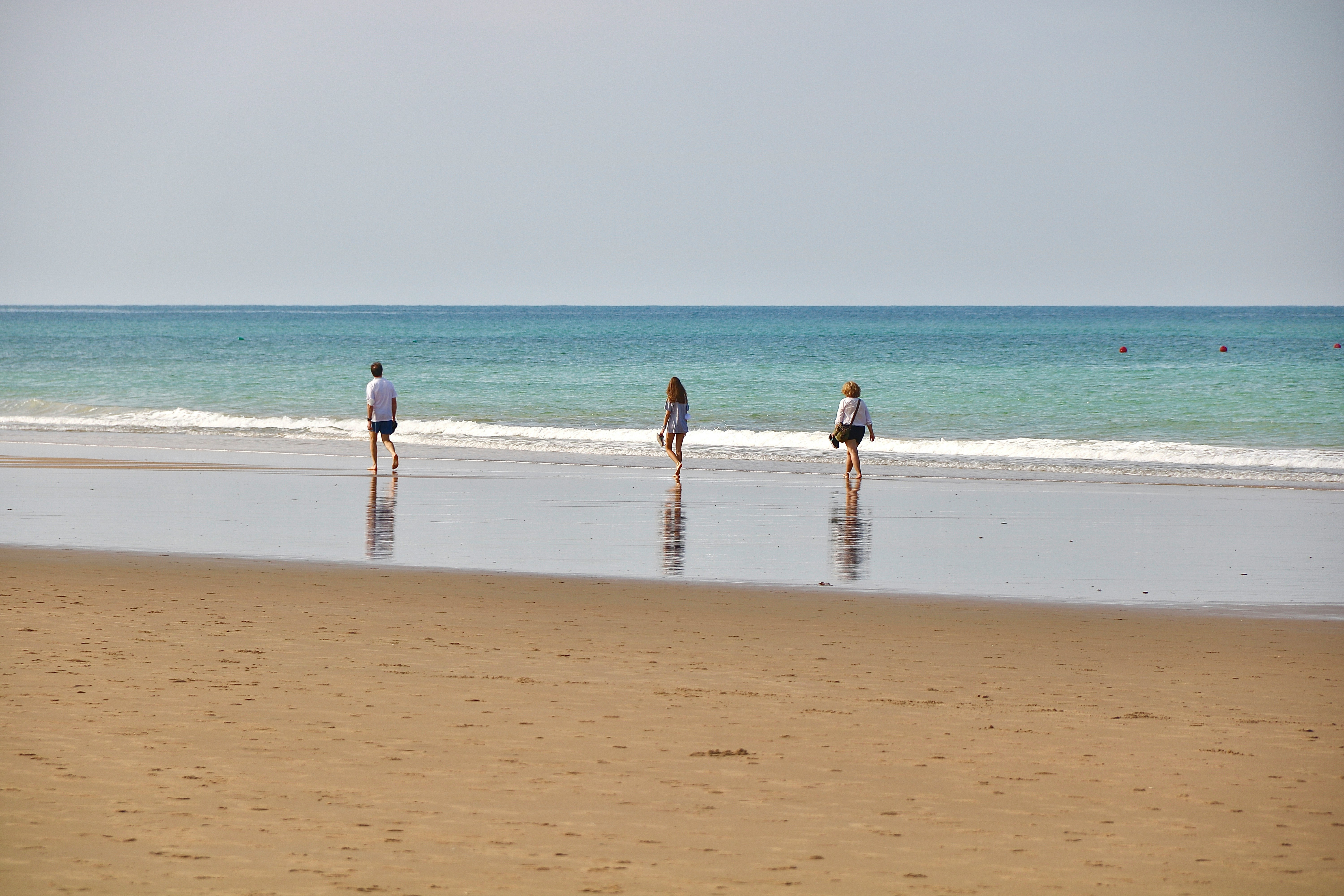
And Cádiz is set up perfectly for this rhythm. After class, you can grab lunch at a local spot (practicing your ordering skills), wander through the old city (practicing your reading skills with all those historical plaques), or hit the beach (practicing your relaxation skills, which honestly might be the most important).
The city runs on a human schedule. Shops close for siesta. Dinner doesn't start until 9 or 10 pm. People actually talk to each other instead of staring at their phones. This slower pace isn't just nice—it's better for learning. Your brain needs downtime to process all that new language input.
Evening classes are available too if you prefer lighter morning intensity or if you're working remotely during the day. Plenty of people do that now—work their normal job in the mornings (taking advantage of time zones), then take Spanish classes in the evening. It's become surprisingly common.
Beyond the Classroom (Where Real Learning Happens)
Those four hours of daily class matter, but honestly? Some of your best learning will happen outside the classroom. It'll happen when you're trying to explain to your host mother that you're vegetarian. When you're arguing with your classmate (in Spanish!) about the best beach in Cádiz. When you finally understand the plot of that Spanish series everyone's been recommending.
Cádiz makes this easy because there's stuff happening constantly. There's always a festival, a market, a concert, something. The city's obsessed with Carnaval (seriously, they start preparing like six months in advance), but there are smaller celebrations happening all the time. These aren't tourist shows—these are real community events where you'll be the only foreigner, fumbling through conversations and loving every minute of it.
Join a local gym. Take a flamenco class (yes, even if you have no rhythm—especially if you have no rhythm). Sign up for a cooking workshop. Volunteer somewhere. The more you integrate into actual daily life here, the faster you'll learn. Plus, you might make friends who aren't other language students, which is when things get really interesting.
The Real Question: Is This Worth It?
Here's the thing—that couch you've been eyeing will eventually wear out. Those weekend trips will blur together in your memory. But the ability to speak Spanish? That's permanent. That opens up entire countries, cultures, career opportunities, and relationships that were previously inaccessible to you.
And if you're going to do this, doing it properly in a place like Cádiz—small enough to feel intimate, authentic enough to challenge you, affordable enough to make it feasible—just makes sense. This isn't about collecting an experience for Instagram. It's about genuinely learning something that will change how you move through the world.
You'll go home different. You'll understand Spanish music and films without subtitles. You'll be able to help Spanish-speaking neighbors or colleagues. You'll travel with confidence instead of anxiety. You'll have pulled off something that most people only talk about doing "someday."
Making It Happen
If you're seriously considering this (and if you've read this far, you probably are), start planning now. Figure out when you can take time off. Look at course schedules. Think about whether you want to stay in a student apartment, with a host family, or in your own place. All have advantages depending on your personality and learning style.
Don't wait for the "perfect" time because it doesn't exist. There will always be work projects, family obligations, or reasons to postpone. Adults who successfully learn Spanish in Spain are the ones who just commit and figure out the details later.
And if you end up choosing Cádiz? We'll see you in class. Bring sunscreen—you'll need it.